Argentina · Jujuy Province

Pucará de Tilcara

Pre-Inca Fortress · Quebrada de Humahuaca · Andes

UNESCO World Heritage Pre-Inca Site Altitude 2,465m

📍 Y4624 Tilcara, Jujuy Province, Argentina

📞 +54 388 422-1325

🏛️ Historical Site · Archaeological Ruins

Explore the Ancient Fortress
4.7
★ ★ ★ ★ ★
17,015 reviews · Google Reviews

Echoes of a Millenary Fortress

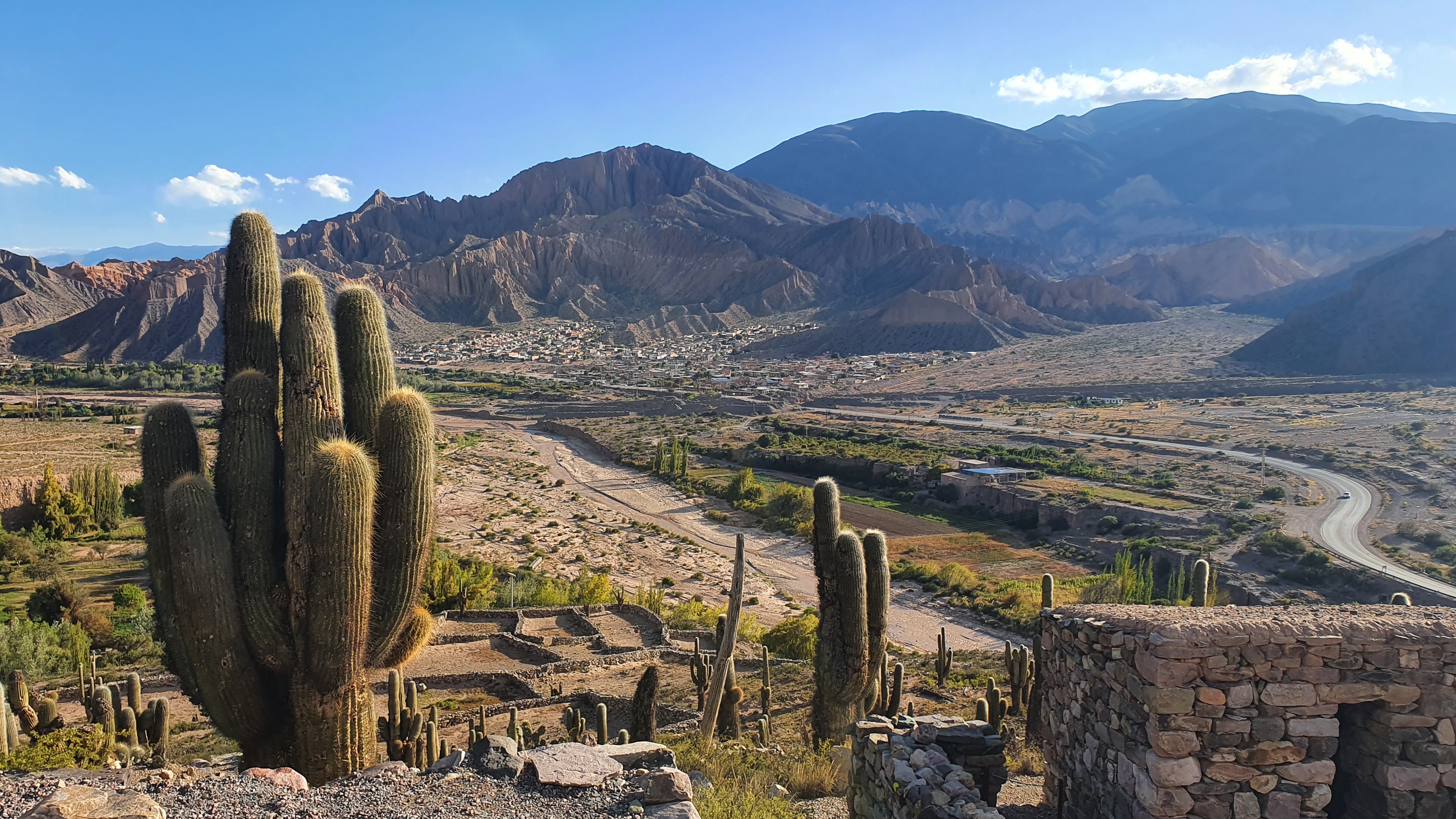
Pucará de Tilcara stands at the heart of the Quebrada de Humahuaca at an altitude of about 2,465 metres, and is one of the most important and largest pre-Inca archaeological sites in north-western Argentina. The Strategic Stronghold of the Omaguacas "Pucará" means "fortress" or "stronghold" in Quechua. This stone citadel was built by the Omaguaca people between the 12th and 13th centuries AD, on a natural promontory rising about 80 metres above the confluence of the Río Grande and Río Huasamayo, commanding the strategic north–south corridor through the gorge. Ambrosetti's Pioneering Excavation In 1908, Argentine archaeology pioneer Juan Bautista Ambrosetti led the first systematic excavation of the site with the Ethnographic Museum of the University of Buenos Aires. During the 1910s Ambrosetti carried out the partial restoration of some stone walls and dwellings — a groundbreaking approach in South American archaeology at the time. Today the site is managed by the Centro Universitario Tilcara of the University of Buenos Aires. Part of a UNESCO World Heritage Site In 2003 the Quebrada de Humahuaca, where Pucará de Tilcara is located, was inscribed as a UNESCO World Heritage Site. This 155 km-long valley bears witness to 10,000 years of cultural evolution: from prehistoric hunter-gatherers through the Inca Empire to the Spanish colonial era. The Brief Rule of the Inca Empire The Omaguacas were not the last rulers of this land. In the late 15th century AD (a few decades before the arrival of the Spanish), the Inca Empire expanded southward from the north and conquered the Quebrada de Humahuaca. Pucará de Tilcara thus became an important administrative and military node on the Inca Empire's famous road network — the Qhapaq Ñan. This also explains why some artefacts unearthed at the site show a distinct Inca style: from ceramic motifs to metalwork, pre-Inca and Inca civilisations met, layered and merged here.

Andean Legends & Canyon Myths

In Andean cosmology, mountains, rivers and stones are living beings with souls. These legends add a deeper, spiritual dimension to the millenary fortress.

In the Andean belief system, Pachamama is the supreme mother goddess who presides over fertility, agriculture and all earthly life. Every year on 1 August, Tilcara and the entire province of Jujuy celebrate the Pachamama ceremony.

During the ritual, a hole (pozo) is dug in the ground and offerings of food, coca leaves, maize beer (chicha) and tobacco are made to Mother Earth, thanking her for the past year's bounty and asking for prosperity for the year ahead.

Within the Pucará de Tilcara site, the spiritual connection to the land is still palpable — every stone wall, every step seems like a silent tribute to Pachamama. Every August, locals also hold the 'offering to the earth' ritual (Corpachada) around the site, burying coca leaves, chicha and food in the ground — keeping the most primal pact with Mother Earth alive.

The Incas regarded Inti, the sun god, as the supreme deity and believed their emperor was a child of the sun. When the Inca Empire expanded into the Quebrada de Humahuaca in the mid-15th century, they blended their solar rituals with local traditions.

It is said that certain stone walls on the Pucará heights were oriented to capture the first rays of the sun on the winter solstice (Inti Raymi). As golden light pierces the morning mist and falls upon the ancient stonework, locals believe Inti is blessing the land and its people.

To this day, every June the town of Tilcara holds festivities linked to sun worship, keeping a millenary tradition alive. Legend has it that at dawn on the winter solstice (Inti Raymi), the first ray of sunlight falls precisely on the highest point of the fortress — this vantage point, close to 2,500 metres high, was not only a defensive bastion but also a natural 'observatory'.

In the folklore of north-western Argentina, Coquena is a small, elf-like spirit who protects wild animals, especially vicuñas and guanacos. He wears a traditional poncho and a wide-brimmed hat, wandering silently through the deepest reaches of the canyon.

Legend says Coquena punishes hunters who kill animals recklessly, yet guides kind-hearted shepherds to their lost flocks. On the ridges near Pucará de Tilcara you may spot wild guanaco herds, and locals whisper: 'Coquena is herding them.'

This legend echoes today's conservation values — treating the creatures of this land with kindness is honouring the legacy of the ancestors. At the Pucará site, archaeologists did indeed uncover the ancient corrals (Corrales) where llamas were kept; llamas were the Omaguacas' most important means of transport and source of warmth, and people believe it is Coquena who secretly shelters these herds within the fortress.

Archaeological Trivia & Cultural Vignettes

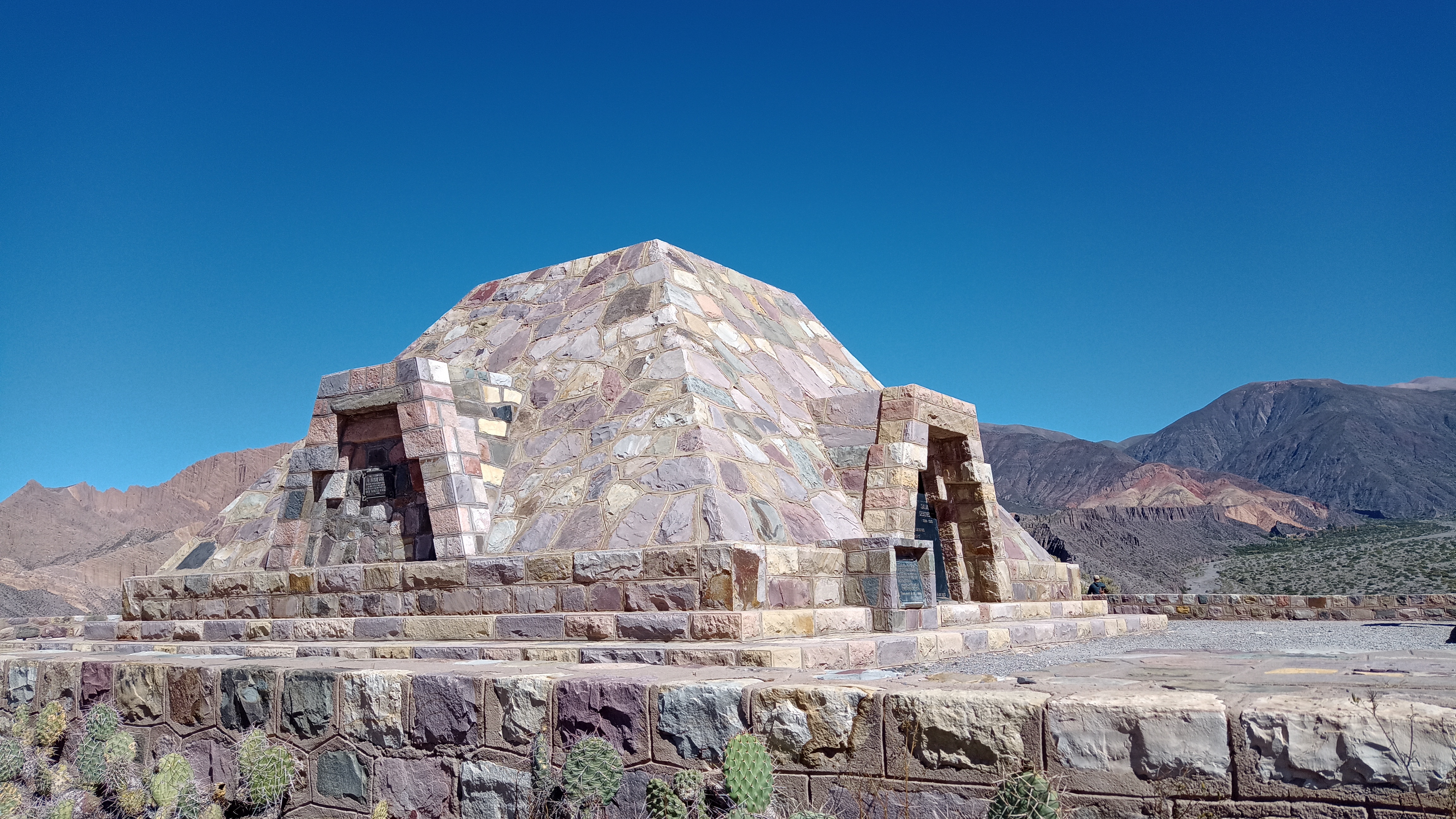
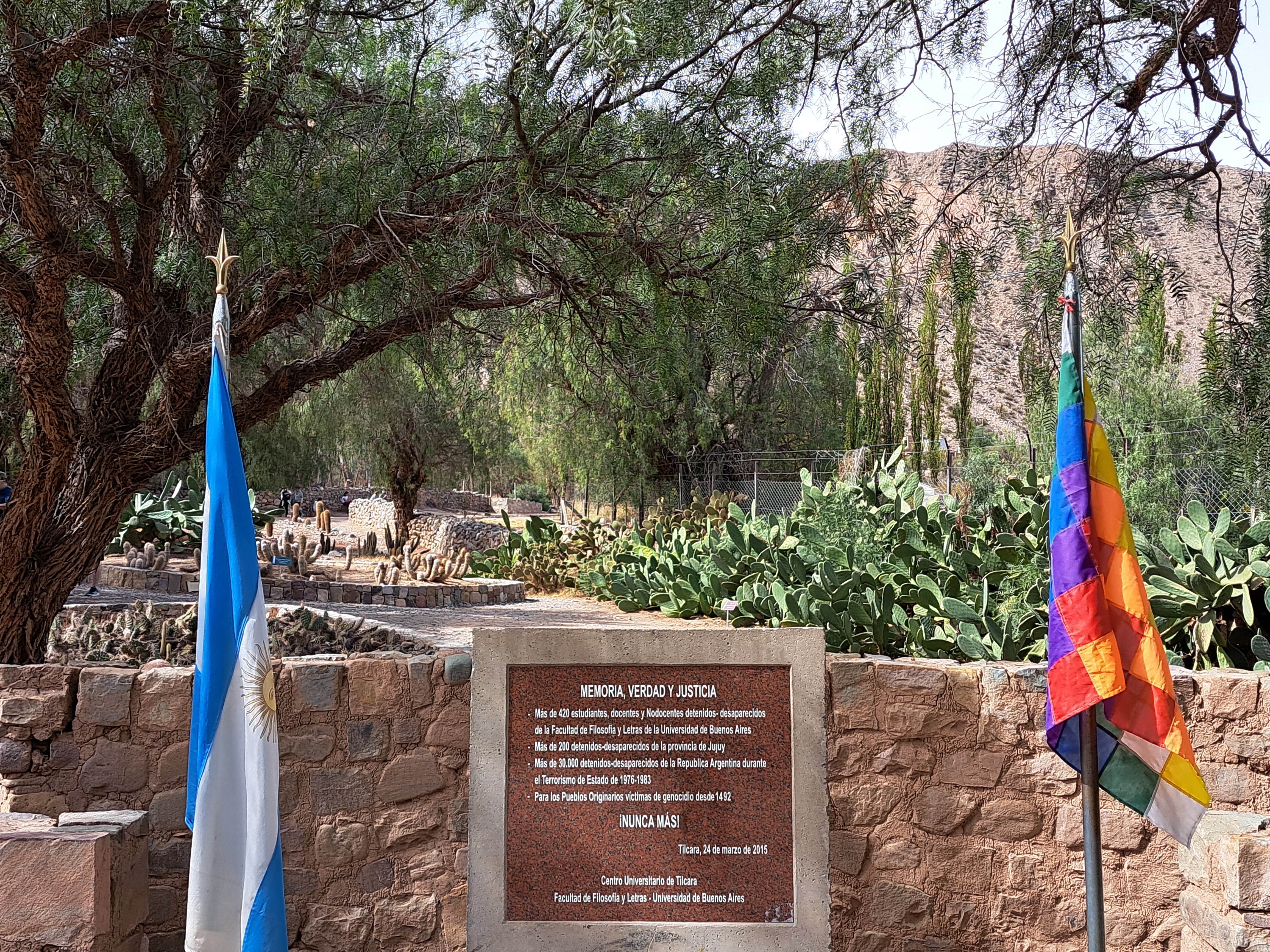
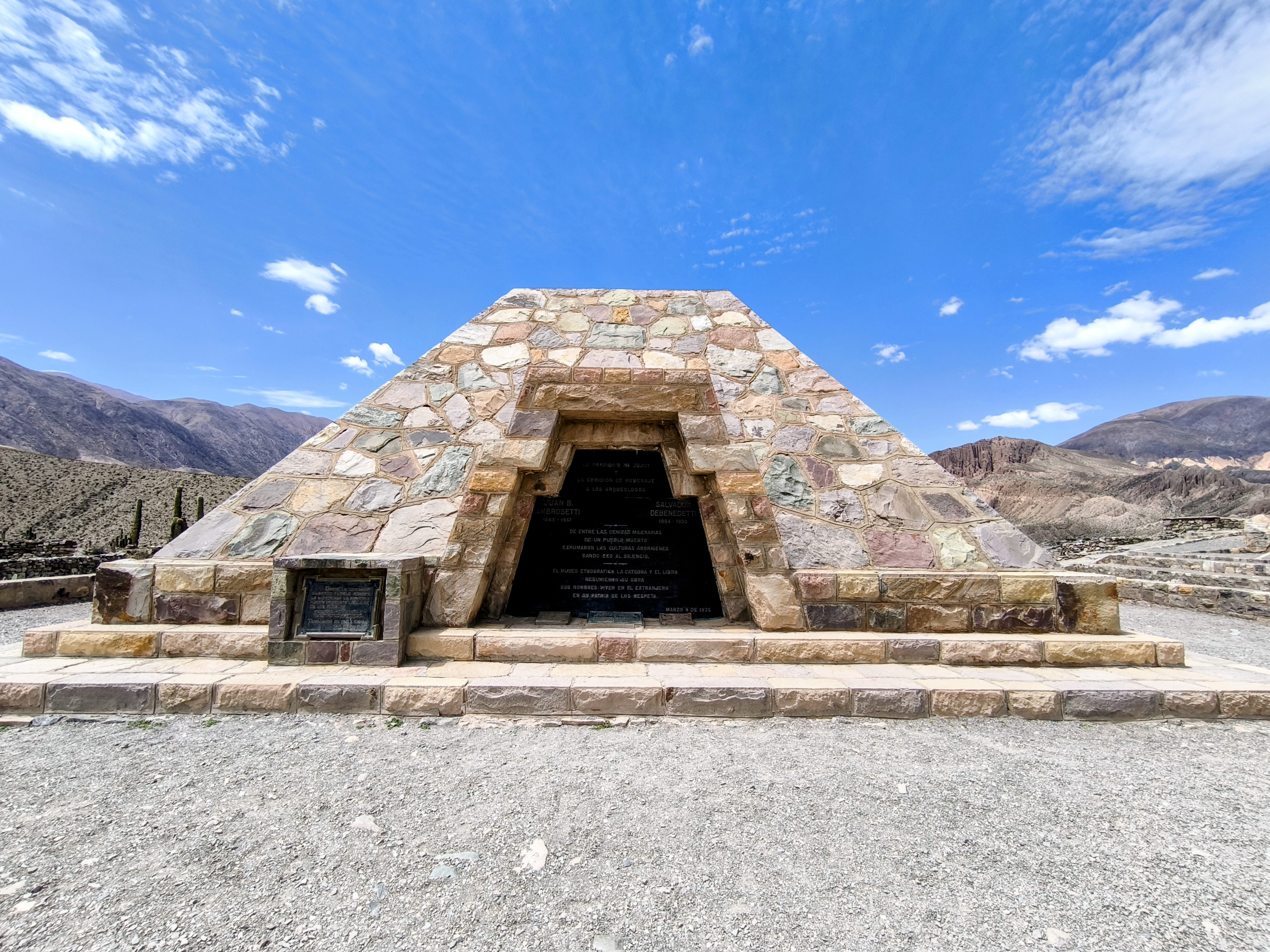
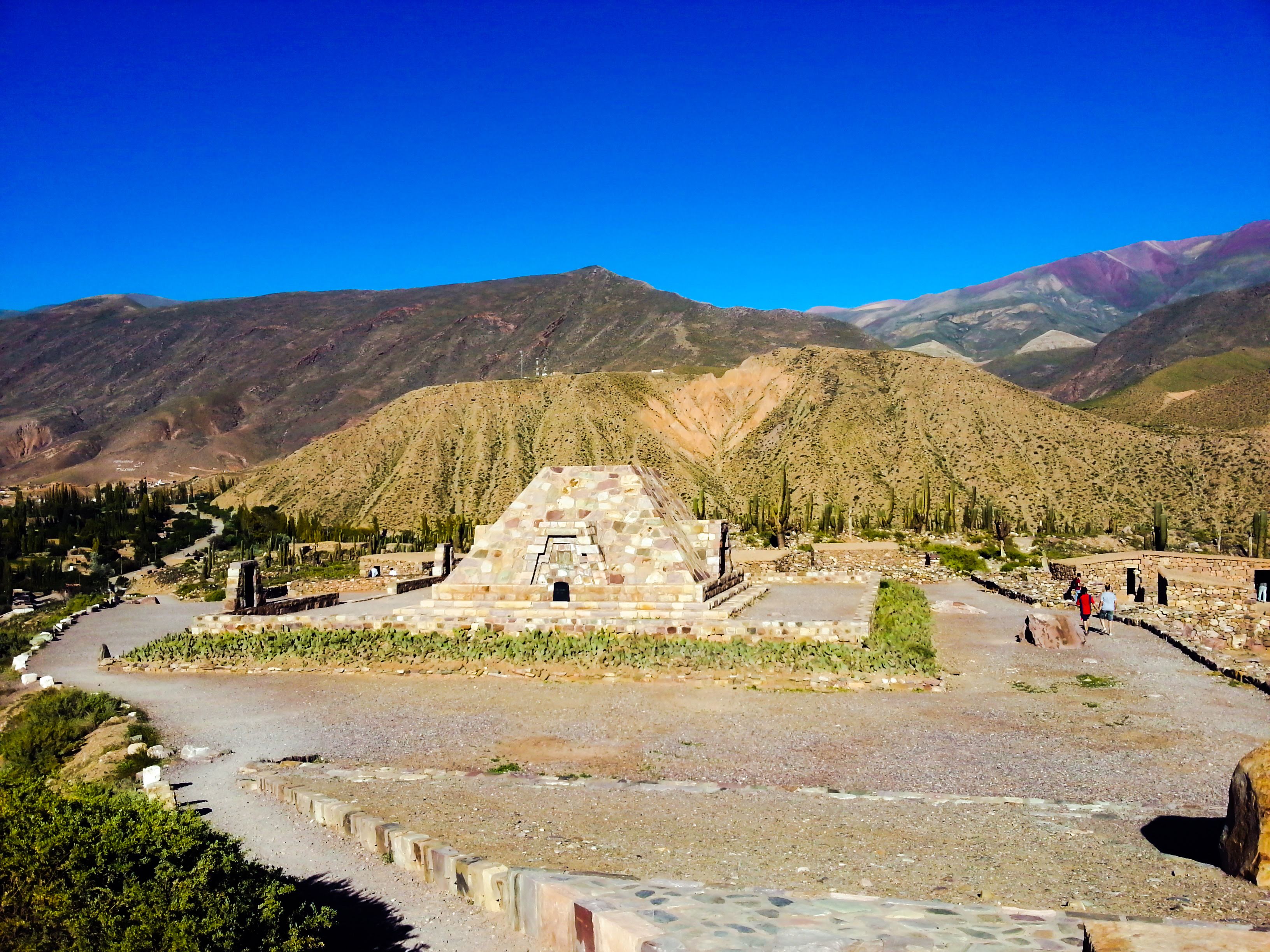
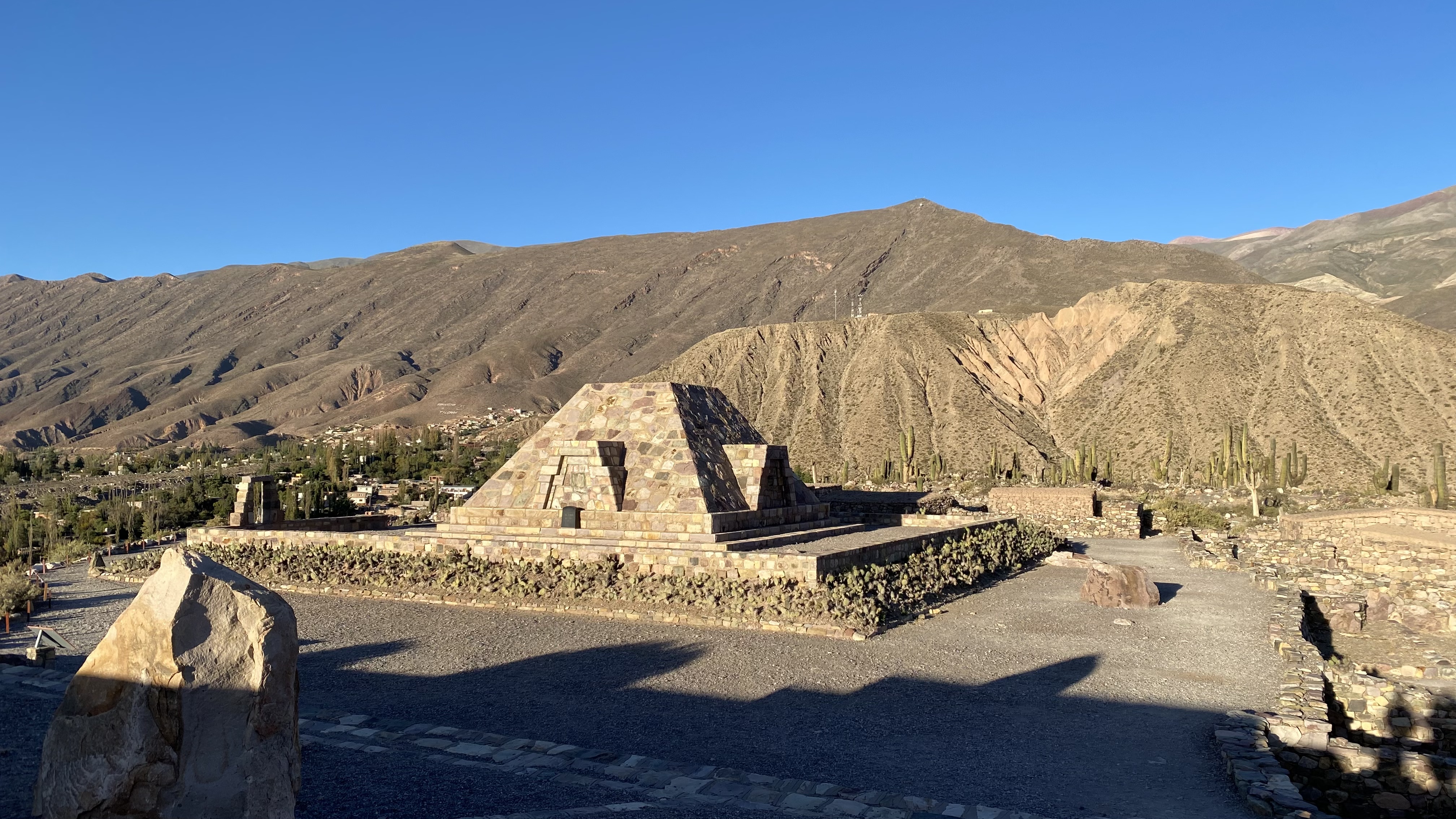
The word "Pucará" comes from Quechua and means "fortress" or "defensive work". Across the Andean region of South America, almost every site prefixed with "Pucará" is a pre-Columbian strategic stronghold. The Pyramid Monument (Pirámide de Tilcara) The most conspicuous modern feature within the site is a stone pyramid built by the Jujuy Homage Commission on 9 March 1935, honouring two archaeologists who made outstanding contributions to the site's excavation and restoration: • Left panel commemorates Juan B. Ambrosetti (1865–1917) — pioneer of Argentine archaeology who led the first systematic excavation of Pucará de Tilcara in 1908. • Right panel commemorates Salvador Debenedetti (1884–1930) — Ambrosetti's student and archaeological successor who continued the restoration and research. The monument's central panel bears a deeply poetic Spanish inscription: *"De entre las cenizas muertas de un pueblo muerto, exhumaron las culturas aborígenes, dando eco al silencio. El Museo Etnográfico, la Cátedra y el Libro resumieron la obra."* ("From the dead ashes of a dead people, they unearthed the indigenous cultures, giving echo to silence. The Ethnographic Museum, the University Chair, and the Book summarised their life's work.") A Note of Academic Controversy It is worth noting that this pyramid monument (Pirámide trunca, the truncated pyramid) displays a pronounced Mesoamerican Aztec style that has no connection, in architectural language, with the local pre-Inca Omaguaca culture. Architectural historians generally agree that it is a 'mark of its era' left by early-20th-century restorers, not part of the site's original fabric. Today, this controversial modern structure itself has become a vivid testament to Pucará de Tilcara's ongoing layering of history — from indigenous fortress to modern cultural heritage. Memory, Truth and Justice Memorial Plaque A significant modern memorial plaque within the site was installed by the Centro Universitario de Tilcara (Faculty of Philosophy and Letters, University of Buenos Aires) on 24 March 2015, commemorating victims of Argentina's military dictatorship (the "Dirty War", 1976–1983): • Over 420 detained-disappeared students, teachers and non-teaching staff of the UBA Faculty of Philosophy and Letters. • Over 200 detained-disappeared from the province of Jujuy. • Over 30,000 detained-disappeared across Argentina during State Terrorism, 1976–1983. • Indigenous Peoples, victims of genocide since 1492. The plaque bears the powerful inscription: "¡Nunca Más!" (Never Again!) — a testament to Argentina's collective reckoning with historical trauma and the enduring pursuit of justice. The High-Altitude Botanical Garden (Jardín Botánico de Altura) The garden cultivates hundreds of cactus and succulent species from north-western Argentina and the Andes, forming a unique dry-plant community at almost 2,500 metres above sea level.
Site Layout & Archaeological Discoveries

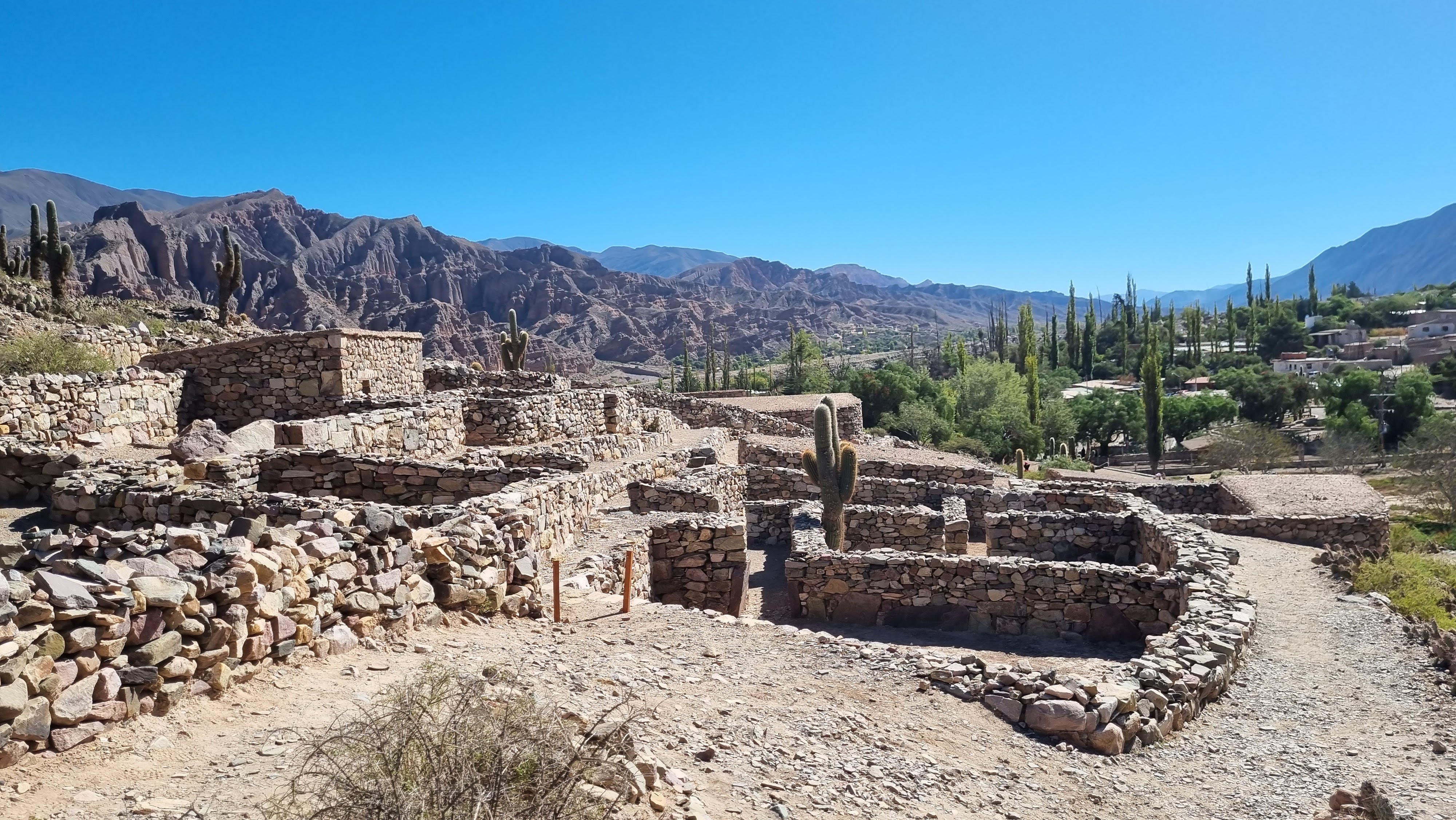
Pucará de Tilcara is one of the best-preserved pre-Inca mountain citadels in existence. Although it underwent partial restoration in the early 20th century, its basic layout faithfully reflects the Omaguacas' mastery of megalithic construction.

Settlement Layout

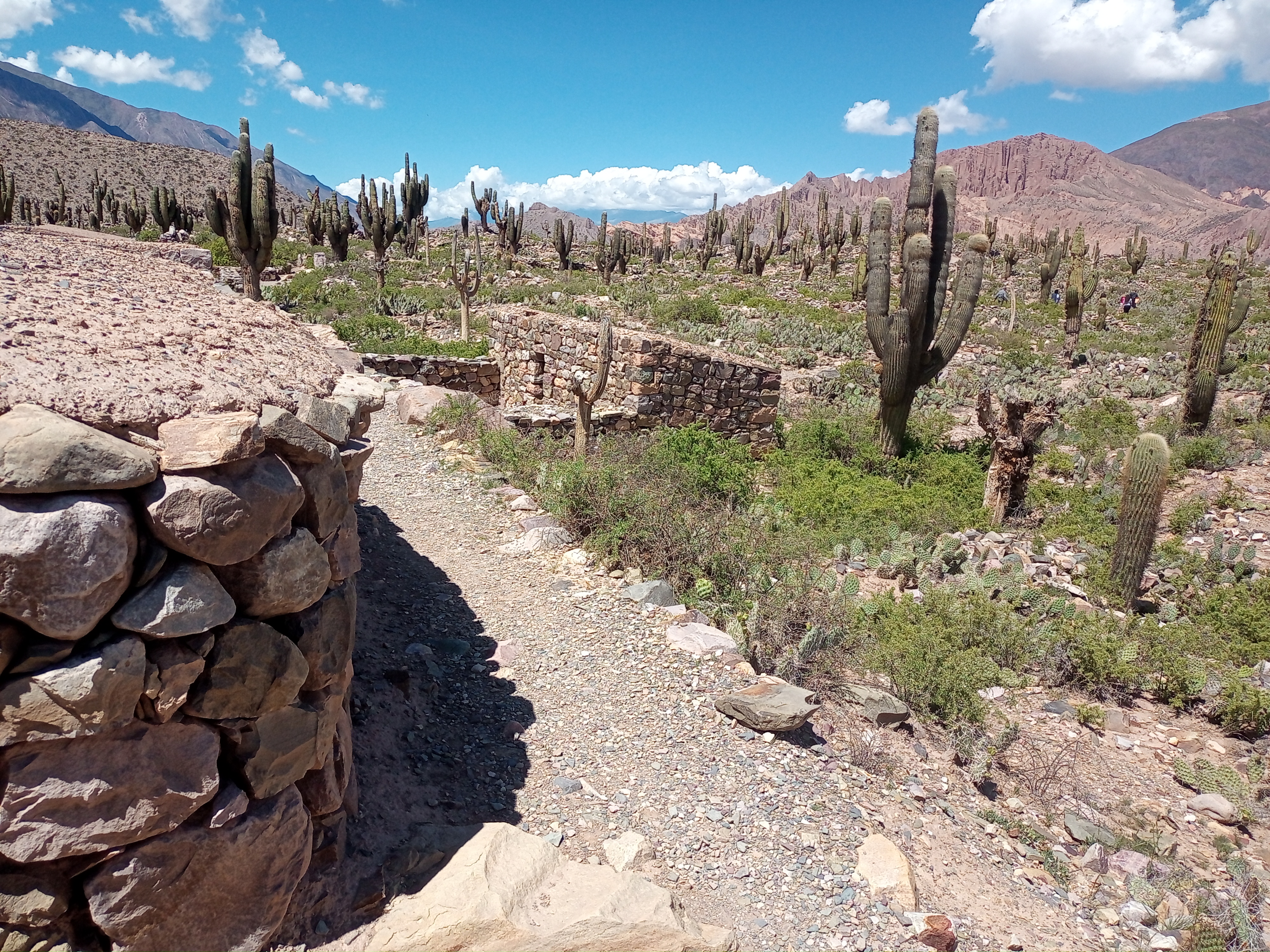
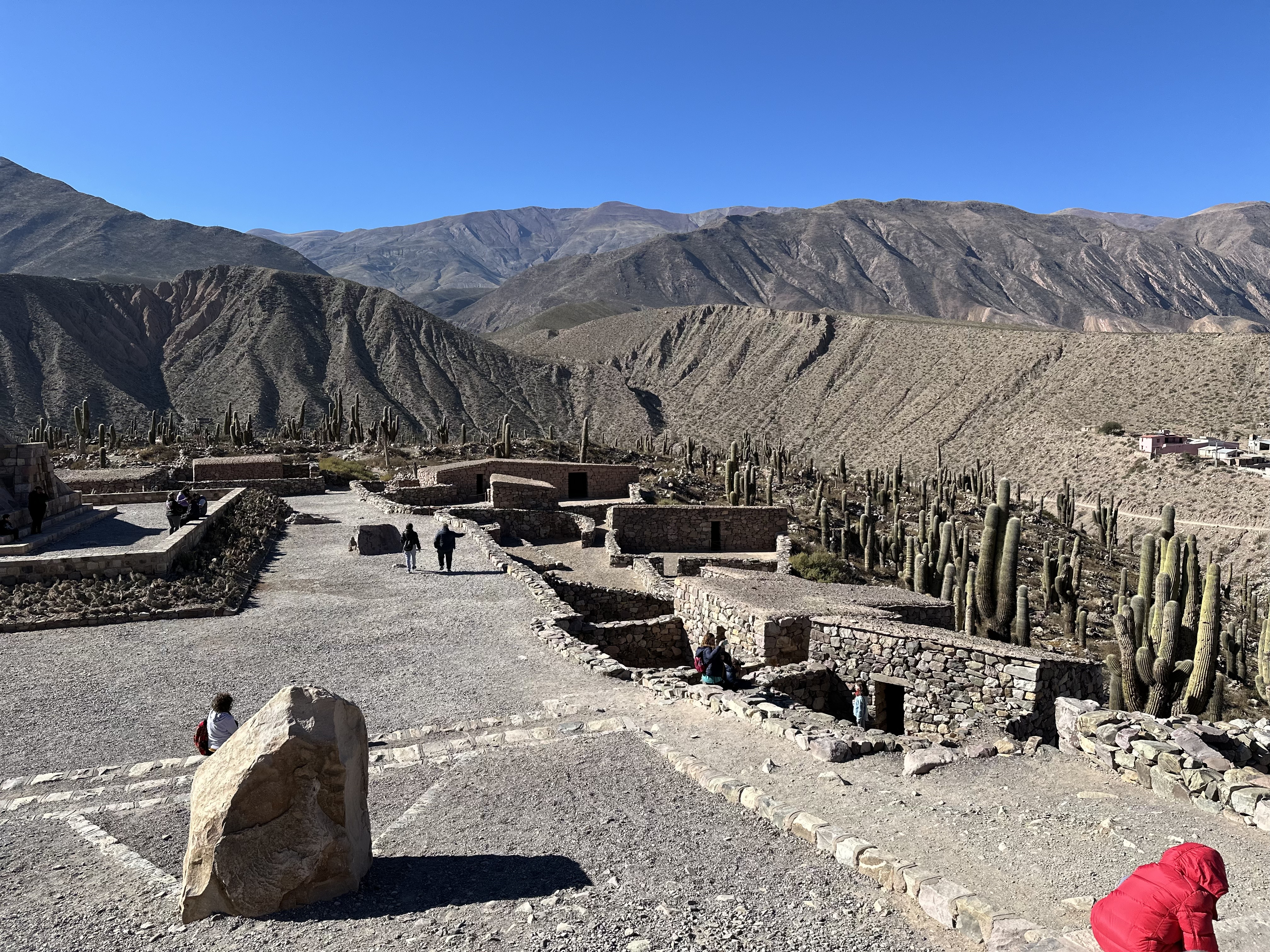
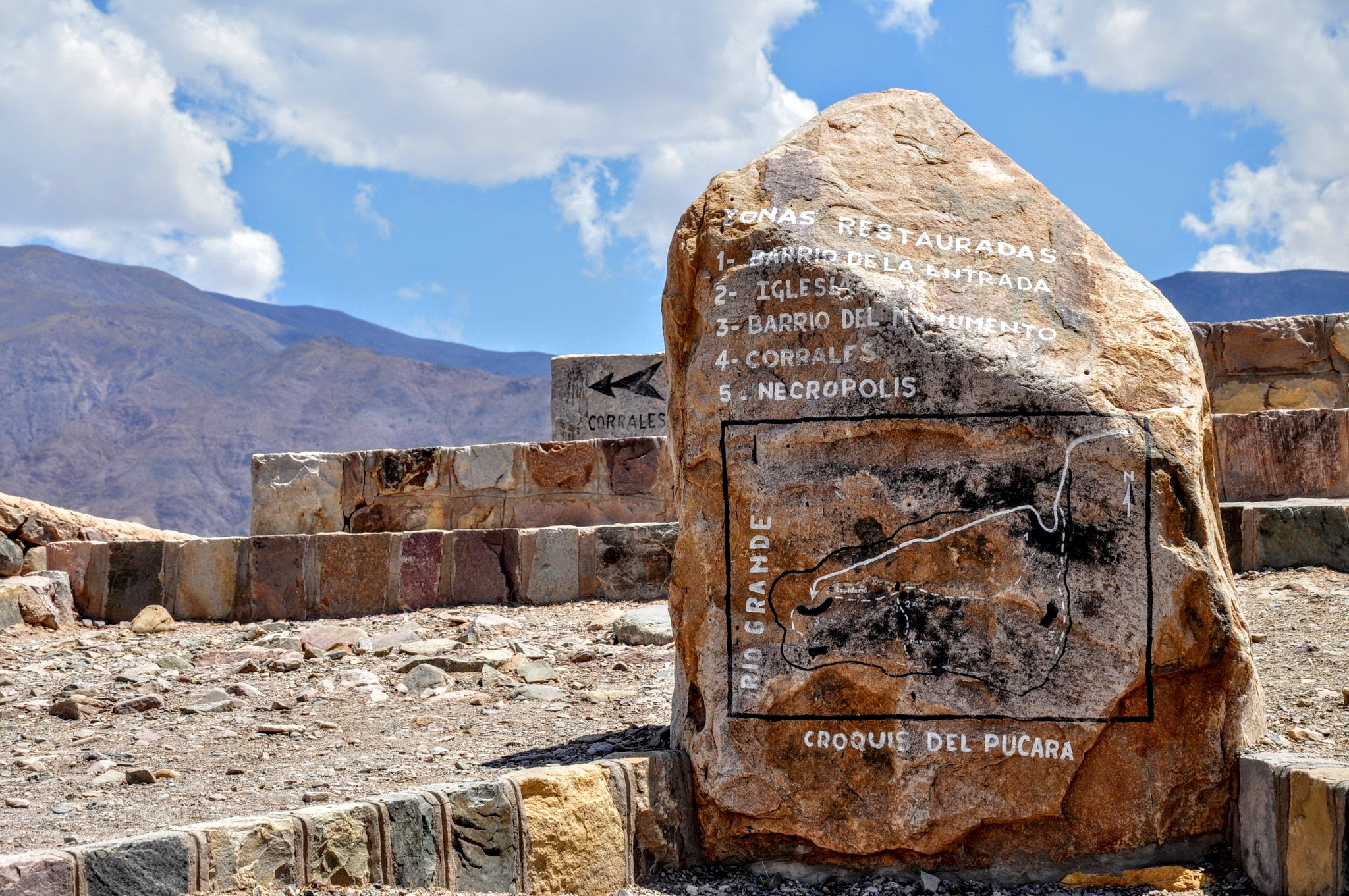
The site covers about 15 hectares, arranged in tiers along the ridge. According to the on-site stone sketch map (Croquis del Pucará), five core areas have been restored and are open to visitors: ① Barrio de la Entrada (Entrance Area) — the main defensive gateway; ② Iglesia (Church) — a restored ceremonial building; ③ Barrio del Monumento (Monument Area) — where the 1935 Pyramid Monument stands; ④ Corrales (Corrals) — remnants of enclosures for llamas and guanacos; ⑤ Necrópolis (Necropolis) — the ancient Omaguaca burial ground. Stone dwellings (over 100 units) have walls dry-built from local granite and limestone, ranging from 0.5 to 1.5 metres in thickness. Several entrances feature complex defensive works, demonstrating sophisticated military architecture.

Construction Technique

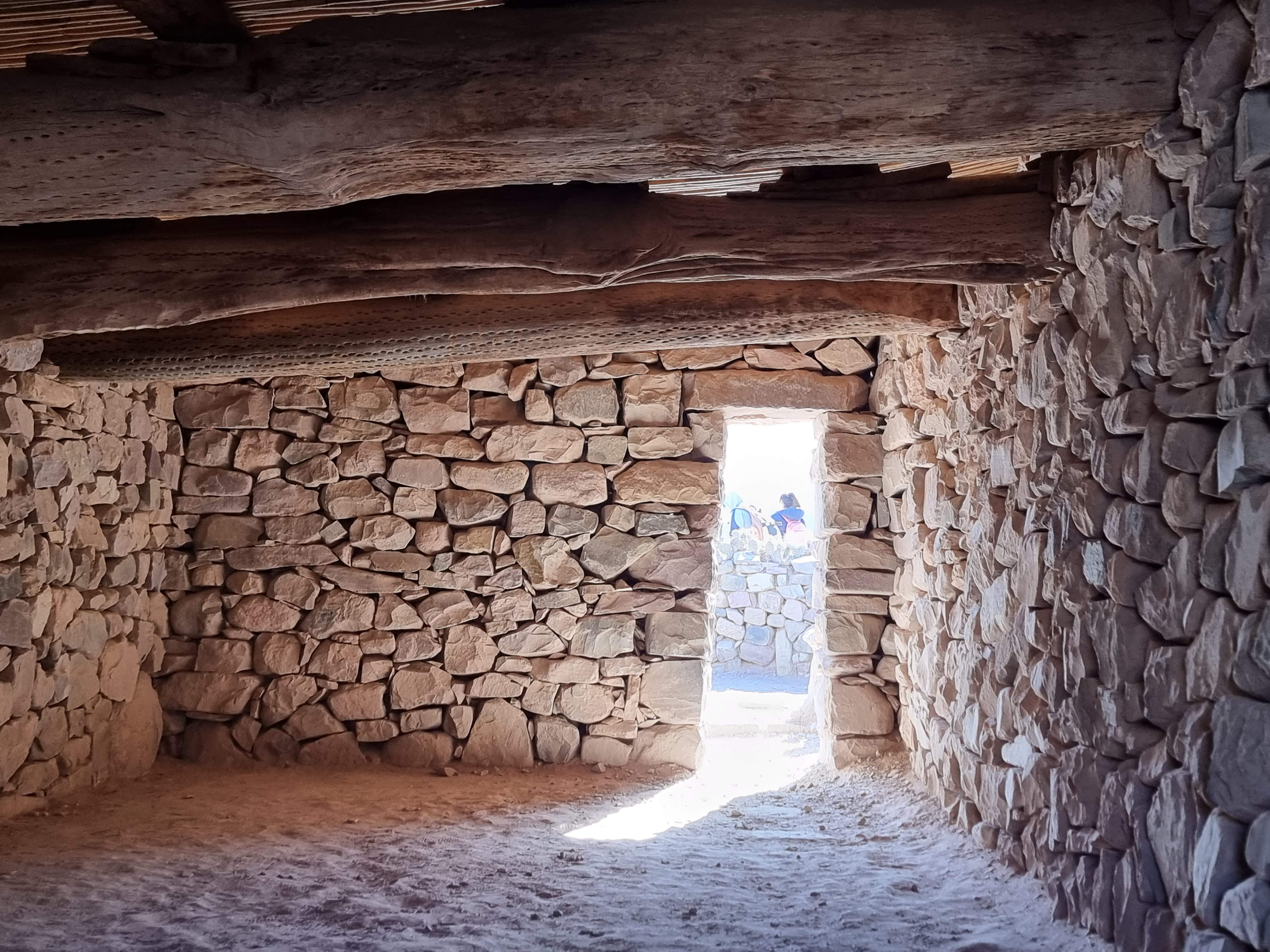
The Omaguacas employed the 'dry-stone' (pirca) technique — fitting stones precisely without mortar. This building method offers remarkable seismic resistance in the Andean region. Walls typically lean slightly inward for stability, and the architectural ensemble makes full use of the natural terrain in a terraced layout that minimises earthworks while maximising living space.

Museum & Botanical Garden

The Museo Arqueológico Dr. Eduardo Casanova, located within the site, displays a wealth of excavated artefacts — pottery, stone tools, bone implements and metal ornaments — vividly reconstructing the daily life of the Omaguaca people. The high-altitude cactus garden showcases the unique xerophytic flora of the Andean region.

Basic Information

Name
Pucará de Tilcara
Location
Tilcara, Jujuy Province, Argentina
Built
12th–13th century AD (pre-Inca)
Altitude
approx. 2,465 m
Area
approx. 15 hectares
Managed by
University of Buenos Aires (UBA)
World Heritage
Quebrada de Humahuaca (UNESCO 2003)

What to Experience at Pucará de Tilcara

This site blends archaeological exploration, cultural immersion and breathtaking Andean scenery. The experiences below are beloved by history enthusiasts, photographers and cultural travellers alike.

1

Explore the Ruins

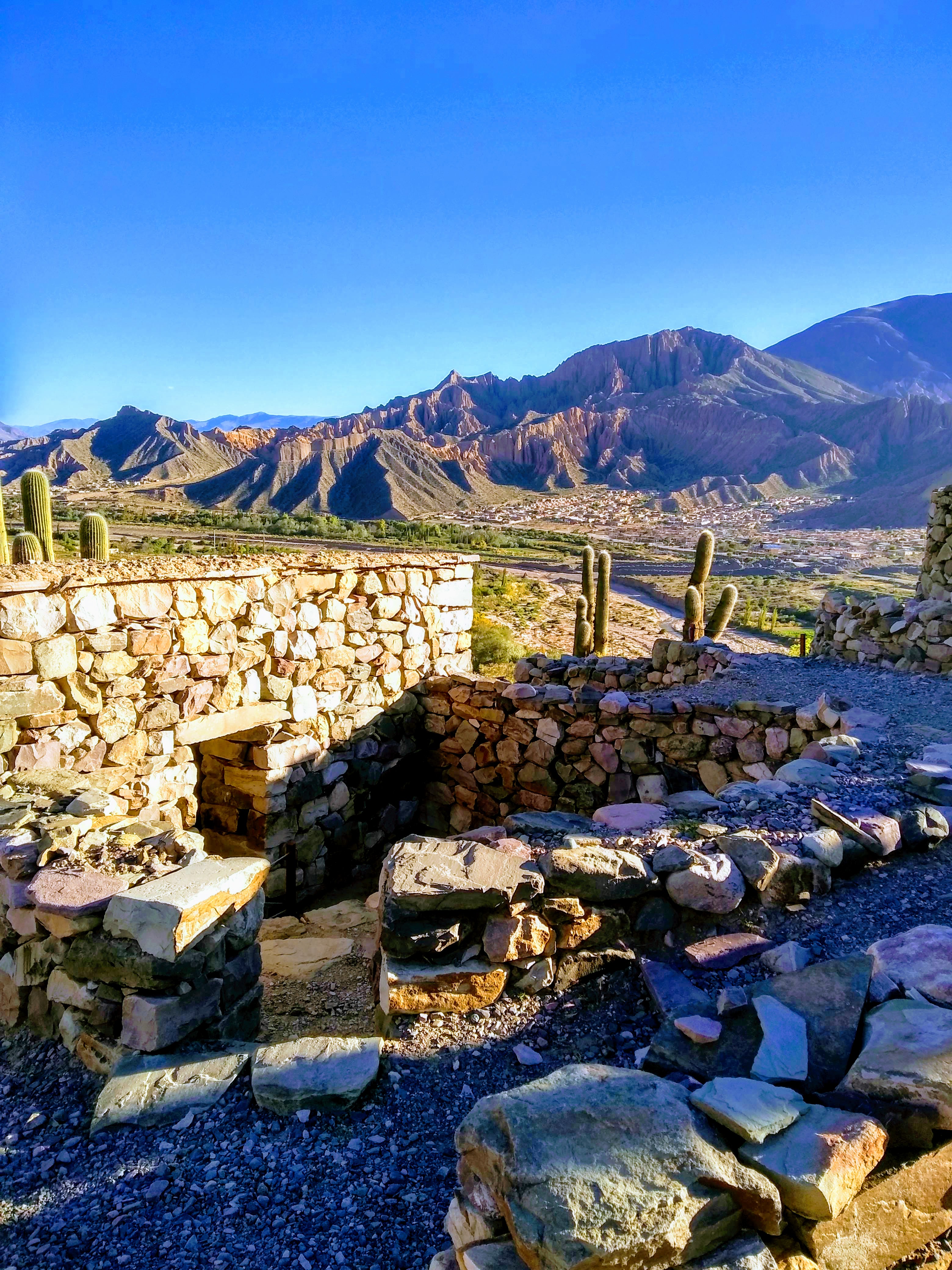
Wind your way along stone paths through the fortress's lanes and plazas, touching walls polished by a thousand years of wind and weather. From the highest point, gaze down at the confluence of the Río Grande and Río Huasamayo — imagine Omaguaca warriors scanning the horizon from this very spot a millennium ago.

2

Visit the Archaeological Museum

The Museo Arqueológico Dr. Eduardo Casanova houses a rich collection of artefacts unearthed from the site and its surroundings, from everyday utensils to ritual objects — a vivid window into pre-Columbian civilisation on the Andean high plateau.

3

High-Altitude Cactus Garden

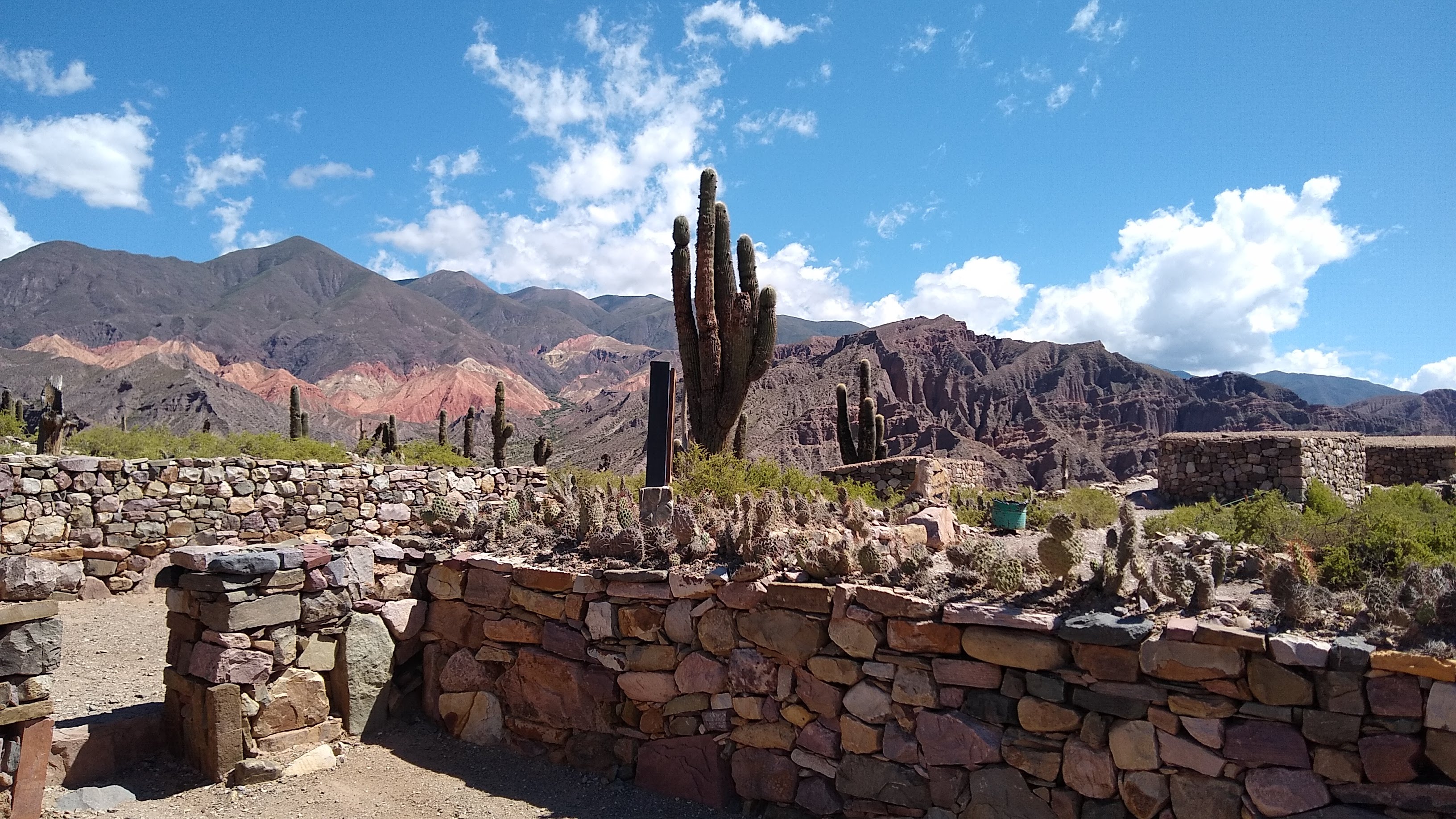
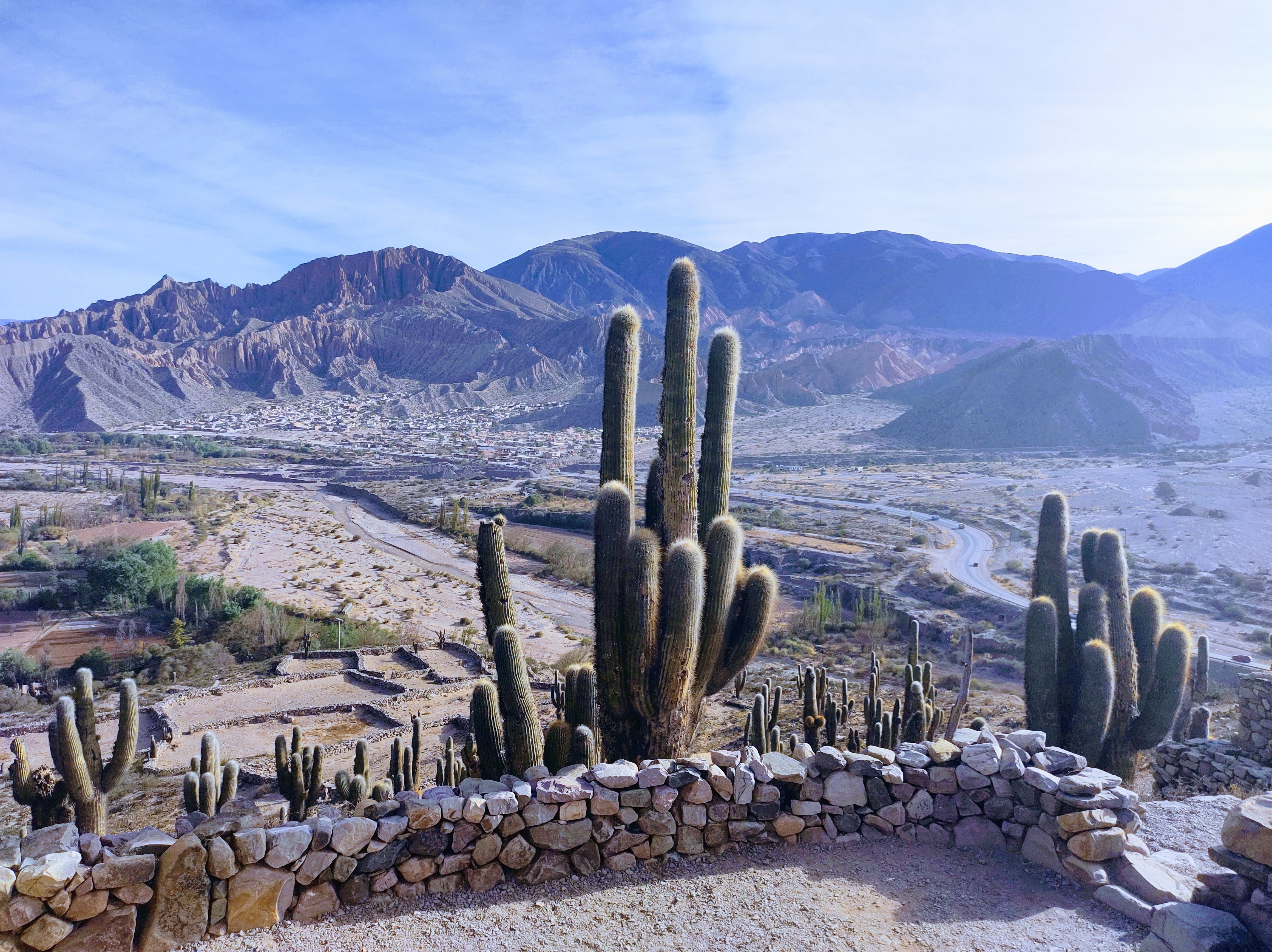
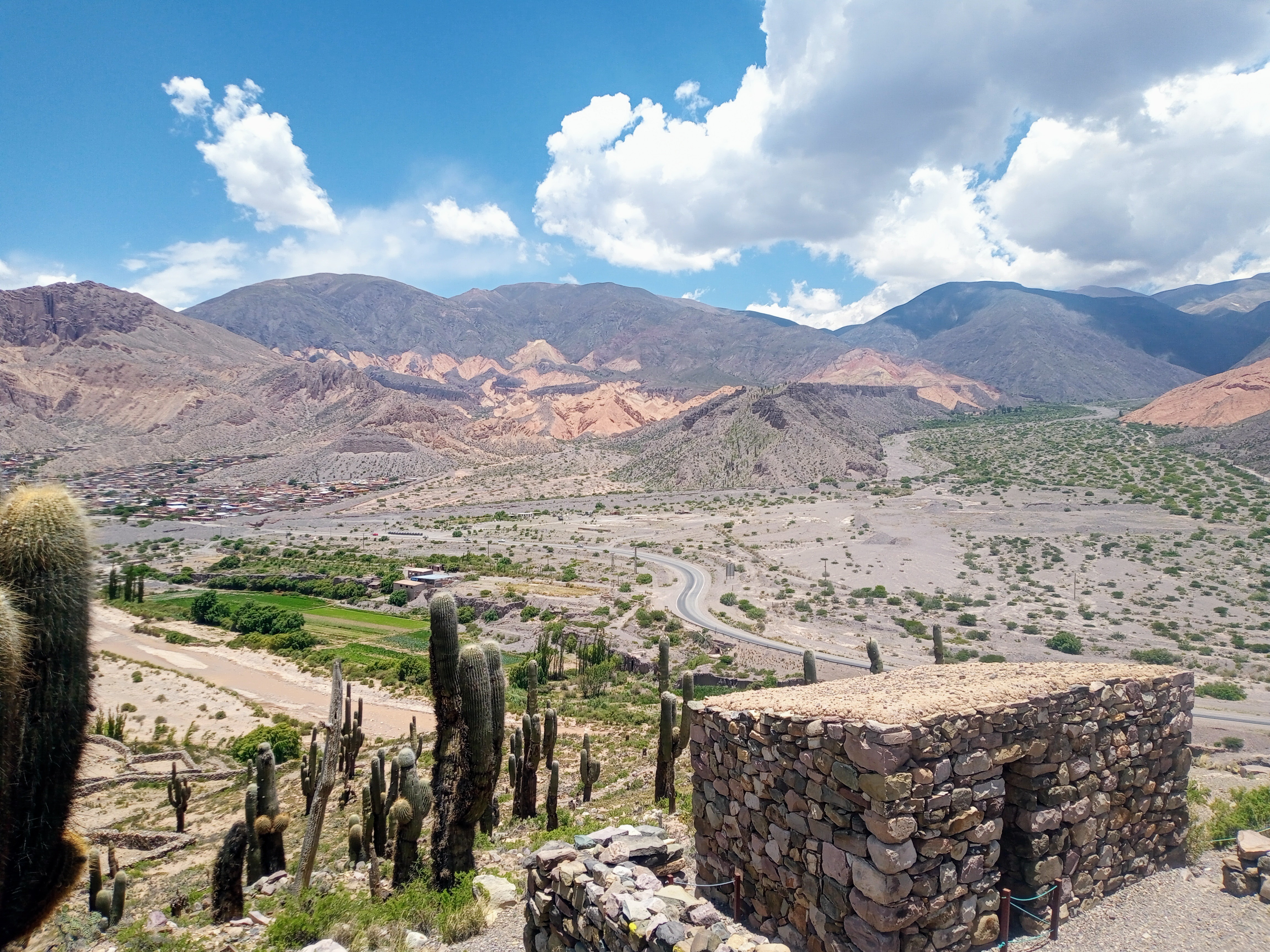
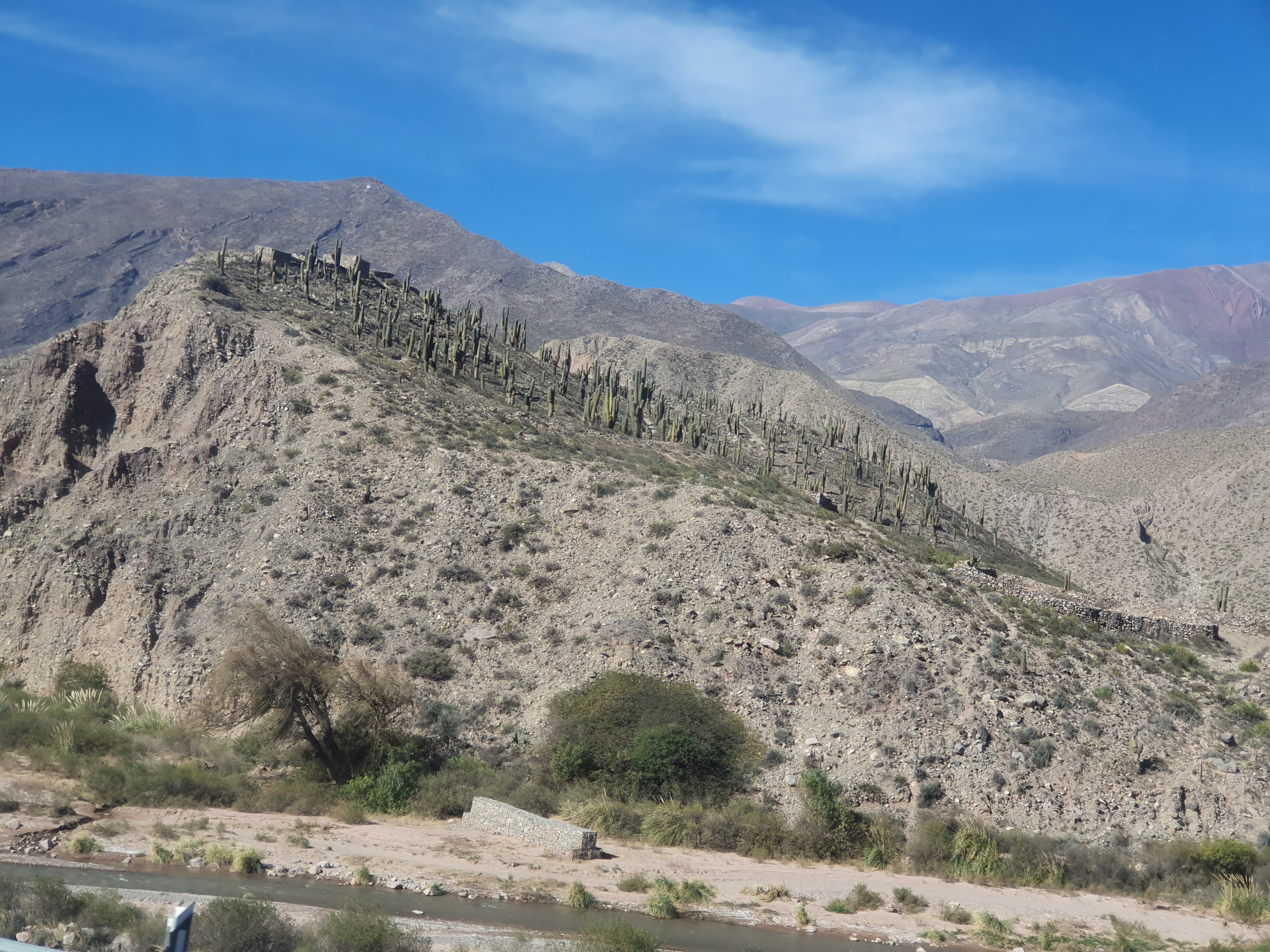
At almost 2,500 metres, the Jardín Botánico de Altura is one of Argentina's most distinctive xerophytic gardens. Hundreds of cactus and succulent species, in every imaginable shape, stand against deep-blue skies and ancient stone walls — a marvellous tableau of life.

4

Panoramic Views of the Canyon

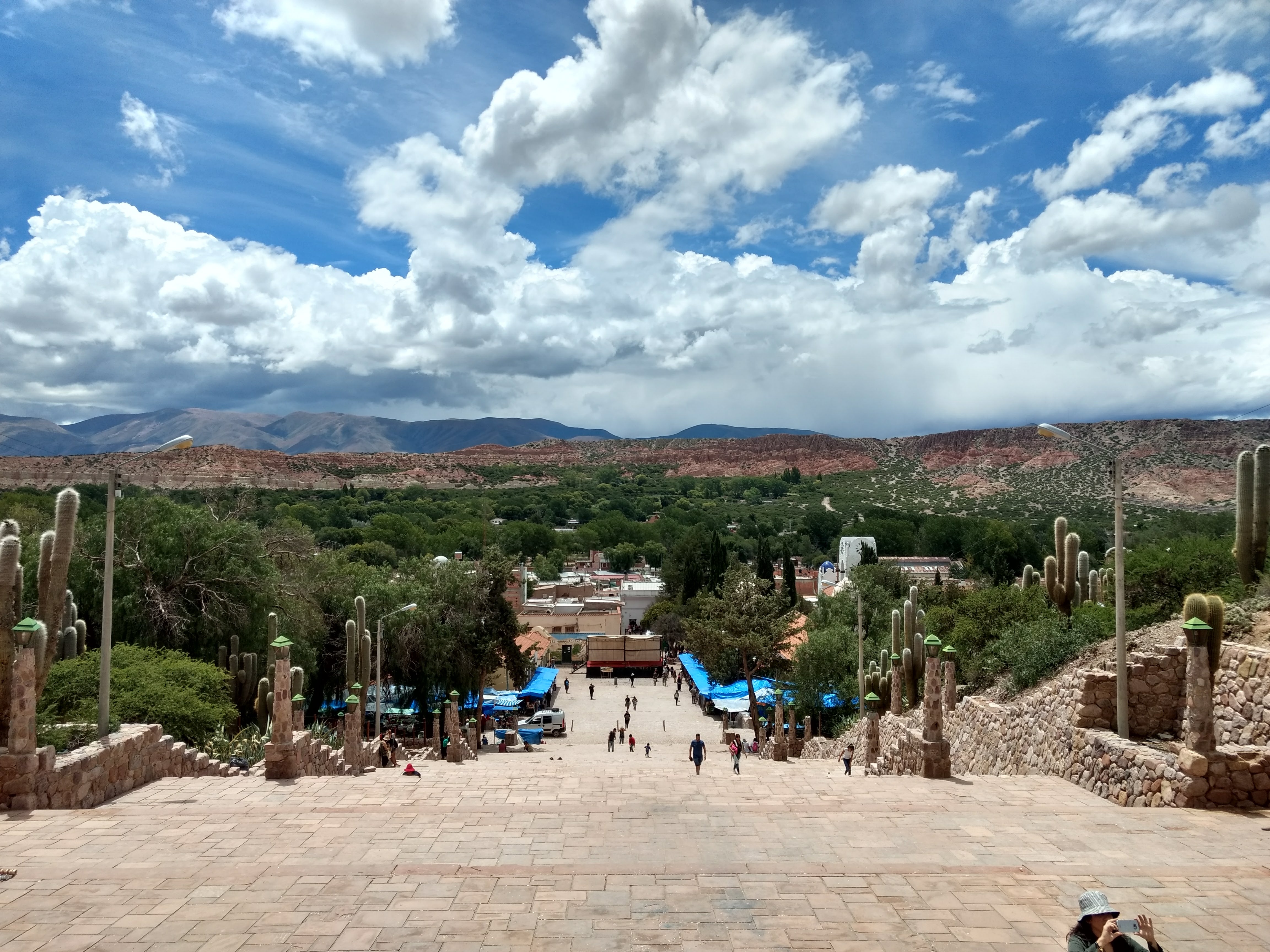
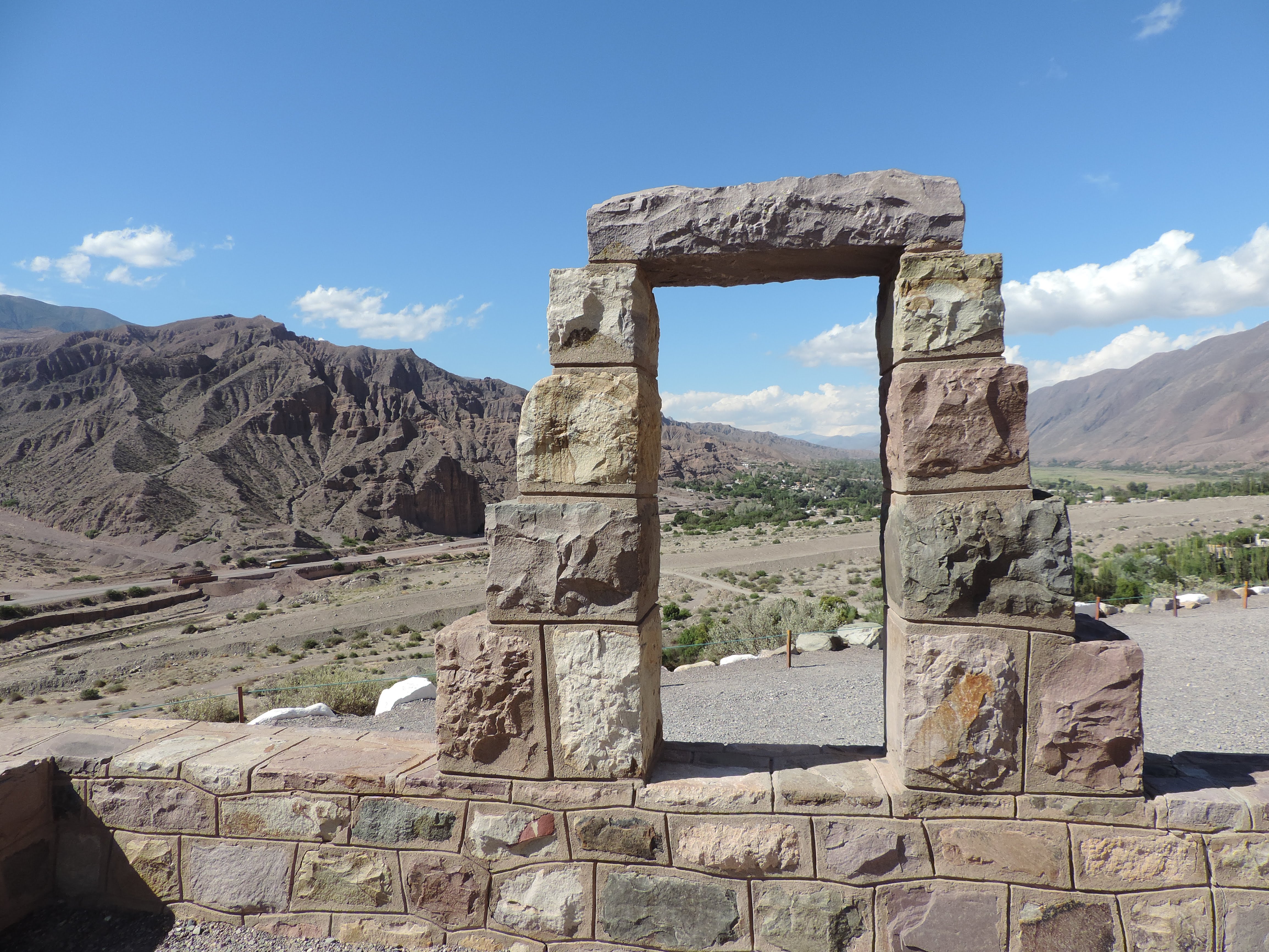
From the fortress heights the Quebrada de Humahuaca unfolds in all its grandeur. Looking north-east, the famous Cerro de los Siete Colores (Hill of Seven Colours) reveals its stunning layered hues in the sunlight — one of the most iconic vistas in the Andes.

Heritage Conservation

Pucará de Tilcara is not merely an archaeological site — it is part of a UNESCO World Heritage area. As an independent non-profit educational guide, we encourage the most respectful possible visit to this millenary monument.

  • Do not touch the walls: do not climb or lean on the stone structures — they are centuries old and fragile
  • Stay on designated paths: follow established walkways and signs; do not enter restricted areas
  • Leave no trace: take all rubbish and waste with you; keep the site pristine
  • Respect cultural heritage: do not carve or graffiti the stone walls — they are irreplaceable cultural assets
  • Quiet exploration: the site is an active archaeological research area; keep noise down and respect researchers and fellow visitors
  • Support the management authority: the site is run by the University of Buenos Aires; your ticket directly funds conservation and research

Stone Walls & Endless Canyon

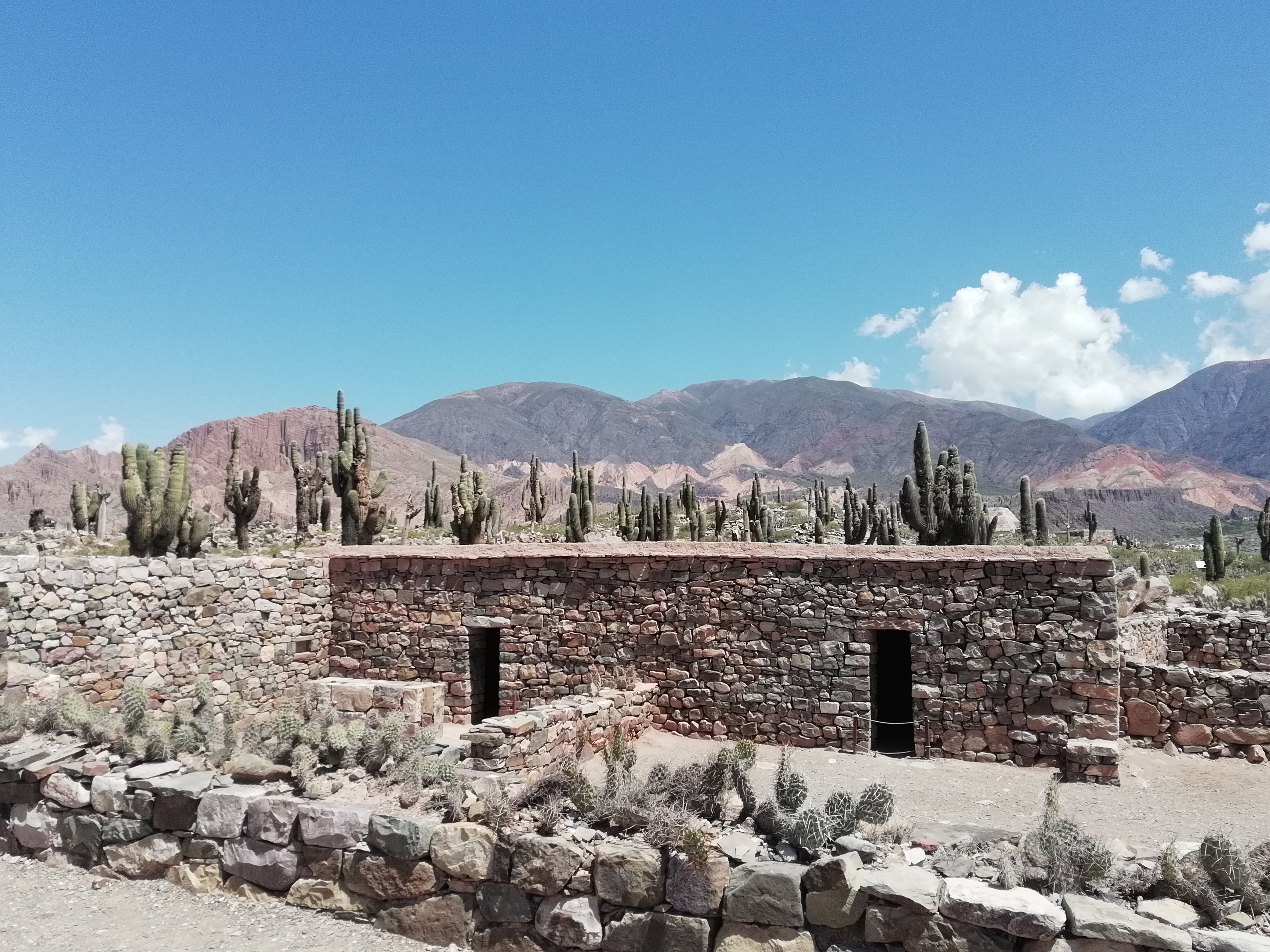
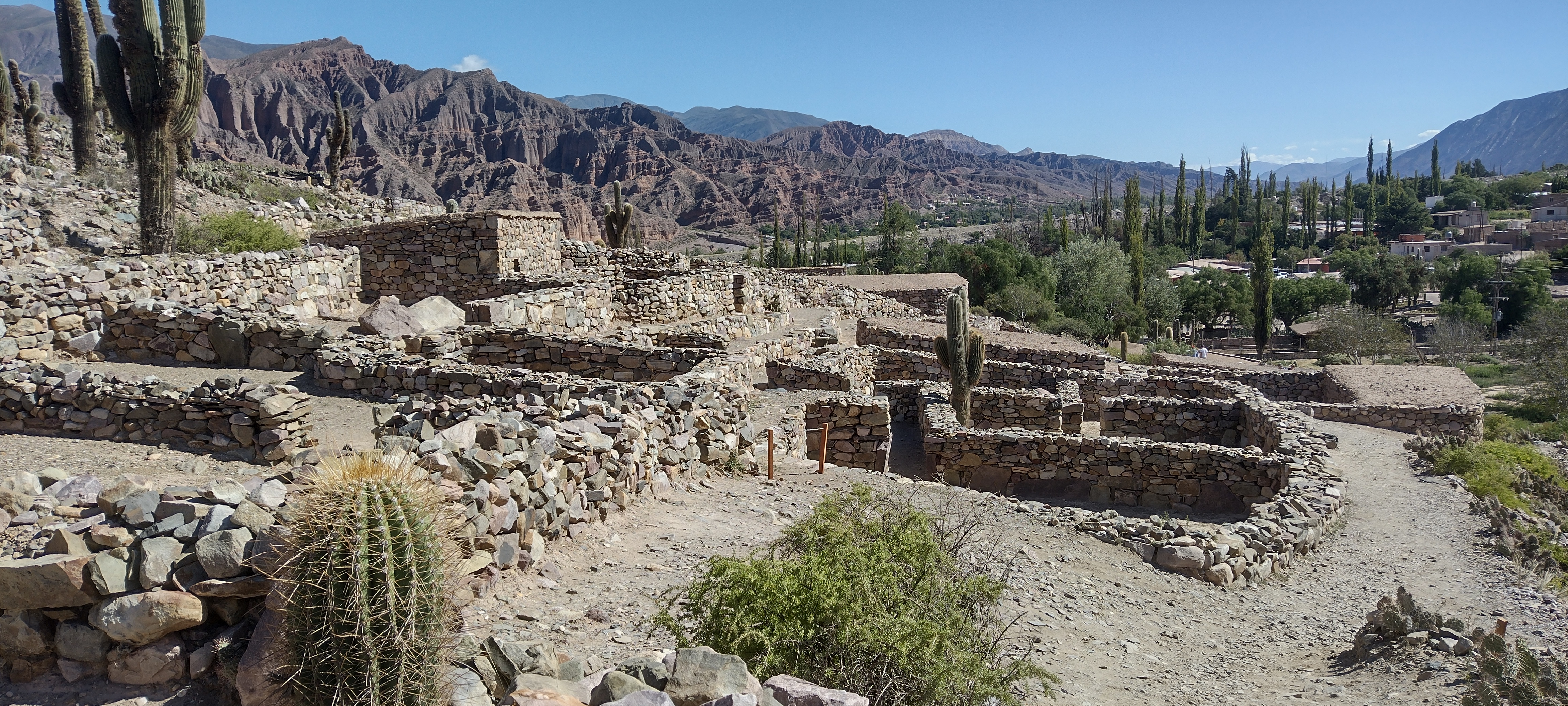
The magic of Pucará de Tilcara lies in the profound interplay between human heritage and spectacular nature. On one side, silent stone walls; on the other, the timeless Quebrada — two views below capture this dialogue across the ages.

Pucará de Tilcara stone walls

Ancient Stone Walls

Quebrada de Humahuaca panorama

Canyon Panorama

Plan Your Visit

Pucará de Tilcara is open to the public year-round. A half-day visit is recommended to explore the site in depth. The following information helps you plan with ease.

Opening Hours
Tuesday to Sunday: 09:00–18:00 Closed on Mondays (except public holidays) Last entry recommended by 16:30 for a full visit.
Hours may vary by season and special events; check the official website before visiting.
Entrance Fee
An entrance fee applies; the exact price depends on residency status and is displayed on site and online. Argentine residents, students and seniors usually receive discounts. Ticket revenue funds conservation and academic research.
Managed by the Centro Universitario Tilcara (UBA). Check tilcara.filo.uba.ar for up-to-date pricing.
Suggested Duration
Core site + museum: about 2–3 hours. In-depth exploration + cactus garden + photography: allow 4–5 hours.
Combine with Tilcara town, the Hill of Seven Colours (Purmamarca) and the Humahuaca Gorge for a 2–3 day north-western highlands cultural journey.
🫁
Altitude
At ~2,465m, take it slowly on arrival, drink plenty of water, and chew coca leaves to ease symptoms.
☀️
Sun Protection
The Andean sun is extreme — wear sunglasses, a wide-brimmed hat and high-SPF sunscreen.
👟
Footwear
All paths are loose stone; no high heels — sturdy hiking shoes are recommended.
💧
Hydration
The highland air is very dry; carry at least 1 litre of water per person.
Travel Tips & Notes
  • Altitude acclimatisation: the site is at ~2,465m. Take it slowly, drink plenty of water, and avoid strenuous exercise on arrival
  • Sun protection is essential: the Andean sun is fierce at altitude — use high-SPF sunscreen, sunglasses and a wide-brimmed hat
  • Wear comfortable shoes: non-slip flat shoes are recommended; there are many stone steps and gravel paths
  • Stay hydrated: the highland climate is very dry; carry at least 1 litre of water per person
  • Coca leaves: available in town; chewing or brewing as tea can help alleviate altitude symptoms
  • Photography etiquette: some museum exhibits may prohibit photography — watch for signage

Precise Transportation Guide

✈️ From Jujuy Capital / Airport

The nearest airport is Gobernador Horacio Guzmán International Airport (JUJ), about 113 km from Tilcara. Salta Airport (SLA) is an alternative, about 210 km away.

Self-drive / Rental Car (Recommended)
approx. 1.5 hrs 113 km
• From Jujuy Airport, take National Route 9 (RN-9) northbound
• Drive through the Quebrada de Humahuaca, passing Volcán, Tumbaya and other villages
• After about 113 km arrive in Tilcara; the site entrance is on the hillside south-east of the town centre
🏘️ On Foot from Tilcara Town

The site is a short 10–15 minute walk from Tilcara's main square, on a gentle uphill slope. This is the easiest way to reach the entrance.

• From Tilcara's main square, follow signs towards the Pucará
• Walk uphill for about 10–15 minutes
• Arrive at the ticket office and entrance

Transport & Altitude Tips

  • Altitude: Tilcara sits at ~2,465m, the same height as the site — allow half a day to acclimatise on arrival
  • San Salvador de Jujuy is ~85 km from Tilcara (≈1 hour by car)
  • National Route 9 (RN-9) is in good condition and the scenery is spectacular — one of Argentina's most scenic drives
  • Direct long-distance buses run from Salta city to Tilcara (approx. 3.5–4 hours)
  • Combine with Purmamarca (Hill of Seven Colours), Humahuaca and Iruya for a multi-day itinerary

Visitor Reviews & Nearby Exploration

Voices from Pucará de Tilcara: Real Google Maps Testimonies

CM
Carlos M.
2025-05-15
★★★★★

Impresionante sitio arqueológico. Las vistas de la Quebrada desde lo alto del Pucará son inolvidables. El museo es pequeño pero muy bien curado. Imperdible si estás en Tilcara.

Google
LB
Laura B.
2025-04-22
★★★★★

Un lugar mágico cargado de historia. Caminar entre esas ruinas preincaicas y sentir la energía del lugar es una experiencia única. El jardín de cactus es precioso.

Google
MR
Marco R.
2025-03-10
★★★★★

Sito archeologico magnifico nel cuore della Quebrada. Il restauro di Ambrosetti è rispettoso e didattico. La vista panoramica sulla valle è mozzafiato. Consigliatissimo!

Google
张明
2025-02-18
★★★★★

站在海拔两千多米的古堡遗址上,俯瞰整个乌马瓦卡峡谷,那种震撼无法用语言形容。博物馆里的陶器和石器见证了千年前奥马瓜卡人的智慧。强烈推荐!

Google
ET
Emily T.
2024-12-05
★★★★☆

Fascinating pre-Inca ruins with stunning views. The cactus garden is a bonus. Bring water and sunscreen — the altitude and sun are intense. A highlight of our Argentina trip.

Google
DF
Diego F.
2024-10-28
★★★★★

Uno de los mejores pucarás del NOA. La caminata desde el pueblo es corta y agradable. El atardecer desde las ruinas es espectacular, con los cerros iluminándose de colores.

Google

Nearby Attractions Worth Visiting

After exploring the millenary fortress, you can easily visit the following nearby destinations:

📍 Hill of Seven Colours (Cerro de los Siete Colores)

Located in the village of Purmamarca, about 25 km from Tilcara. Famous for its layered bands of red, orange, yellow, green and purple — one of north-west Argentina's most iconic photo spots.

📍 Quebrada de Humahuaca

This 155 km UNESCO World Heritage valley links Tilcara, Humahuaca, Purmamarca and many other charming villages, its multicoloured landscapes often likened to 'God's own painter's palette'.

📍 Salinas Grandes (Great Salt Flats)

A vast salt pan on the border of Jujuy and Salta provinces, at about 3,450 m altitude. The blinding white crust against a cobalt-blue sky creates a surreal landscape — one of the most breathtaking natural wonders of the Andean highlands.

View More Reviews on Google Maps

Frequently Asked Questions

Learn More About Pucará de Tilcara

'Pucará' comes from Quechua and means 'fortress' or 'stronghold'. 'Tilcara' is the name of the town where the site is located. Pucará de Tilcara can therefore be translated as 'the fortress of Tilcara'. It is a mountain defensive stronghold built by the Omaguaca indigenous people in the 12th–13th centuries AD.

The site is open Tuesday to Sunday, 09:00–18:30 (closed Mondays except public holidays); hours may shift in peak season or summer, and last entry by 17:30 is recommended. An entrance fee applies; rates vary depending on residency status. The site is managed by the University of Buenos Aires — visit tilcara.filo.uba.ar for the latest information.

The site is at ~2,465m; take time to acclimatise. Sun exposure is extreme — use sun protection. Do not climb on or touch stone walls, stay on marked trails, take all rubbish with you, and respect this UNESCO World Heritage property. Wear sturdy, non-slip shoes.

Fly from Buenos Aires to Jujuy International Airport (JUJ, ≈2 hrs), then drive or take a bus north along National Route 9 for about 113 km (1.5 hrs) to Tilcara. Alternatively, fly to Salta (SLA) and drive or bus about 210 km (3.5–4 hrs).

Pucará de Tilcara lies in the middle section of the Quebrada de Humahuaca. The gorge was declared a UNESCO World Heritage Site in 2003, and Pucará de Tilcara is the largest and best-preserved pre-Inca archaeological site within the gorge.

Map Location

Y4624 Tilcara Jujuy Province Argentina

View on Google Maps

Plan Your Trip to Tilcara

From tickets to guided tours, make your visit to the millenary fortress relaxed and in depth.

Interactive Site Map

Hover over (or tap) the markers on the map below to explore the five core areas of Pucará de Tilcara.

Hover to preview · Tap to pin
01

Suggested Itinerary

A half-day is enough for a deep visit. Use the timeline below as a guide, and adjust freely to your pace and the light.

09:00

Arrive at the site

While the light is still soft, start from the entrance area and explore the core district and stone lanes.

10:30

Climb the Pyramid Monument

Ascend to the monument's high ground for panoramic shots of the Quebrada and the distant Hill of Seven Colours.

11:00

High-Altitude Cactus Garden

Stroll the cactus garden and admire the curious shapes of Andean xerophytes against the stone walls.

11:30

Down to the Town

Walk down to Tilcara town and visit the Dr. Eduardo Casanova Archaeological Museum.

13:00

Lunch in Town

Enjoy a north-western highland lunch in town and round off your half-day cultural journey.